
To contact us, click here
JACKFRUIT INDIA
WELCOMES YOU
Balancing prosperity, sustainability and progress
WHO WE ARE
Jackfruit India is an effort by practitioners, scientists, journalists, researchers and interested citizens to come together to harness the potential of jackfruit in India.
WHAT IS A JACKFRUIT?
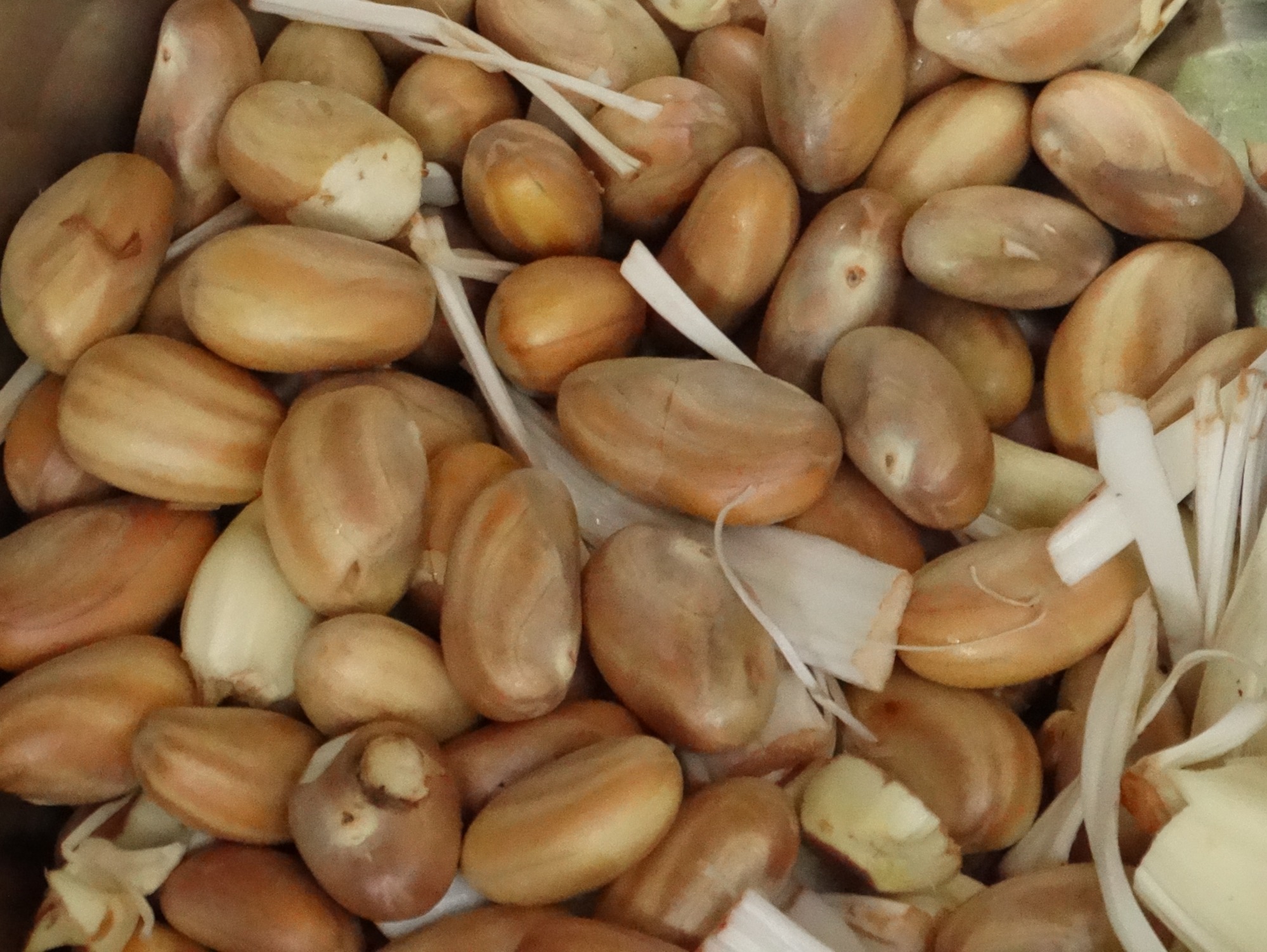
Jackfruits grow naturally in many countries in Africa, Asia and Latin America. However, they have fallen out of favour in India, the country where they are thought to have originated. Below we address some basic questions on what jackfruits are, where they got their name, and why they are considered as a “wonderfruit” by those who are familiar with them.
WHAT IS IT?
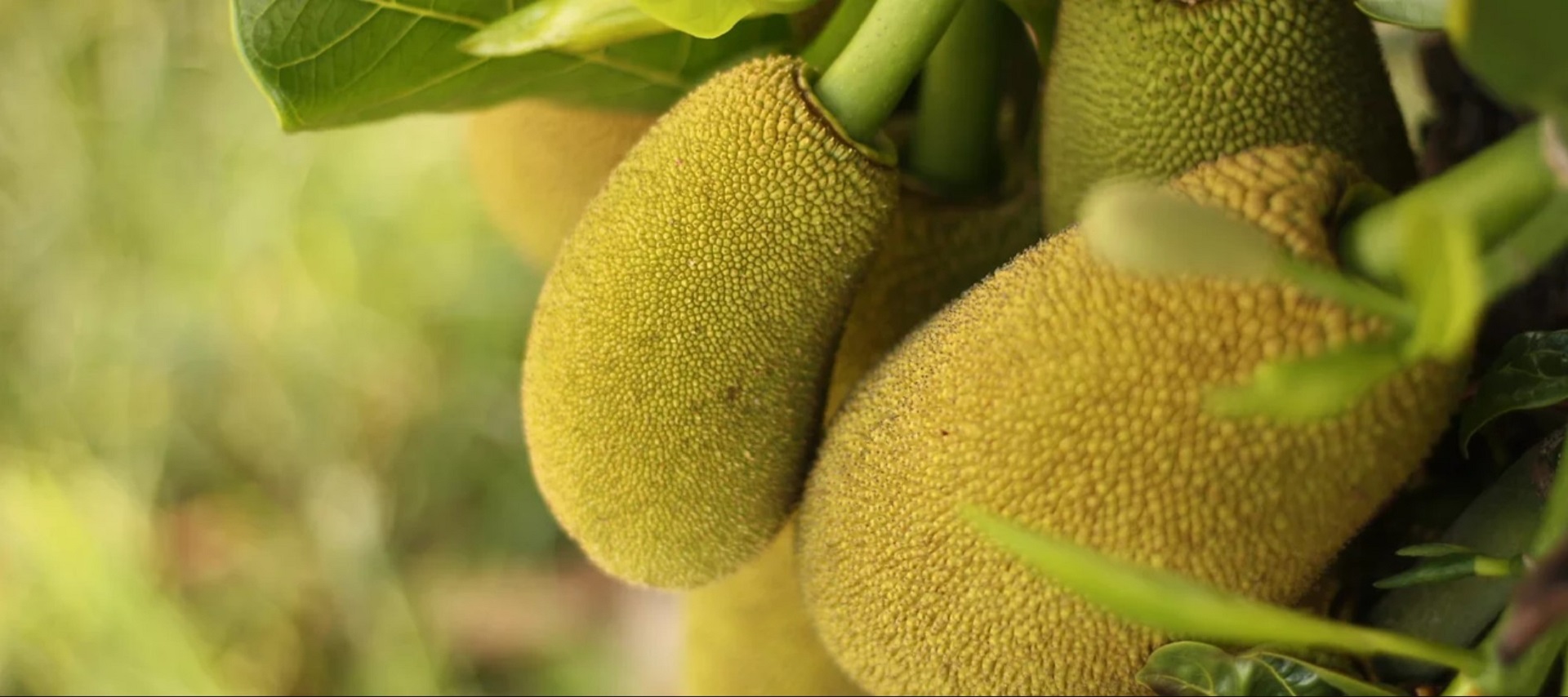
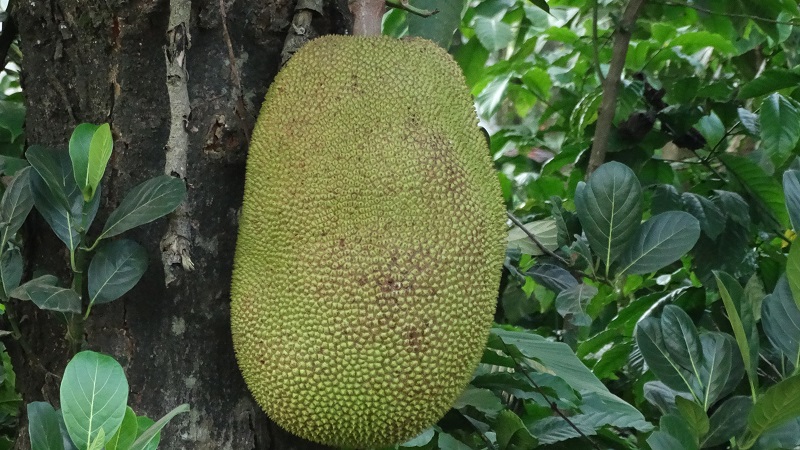
It is the largest tree fruit in the world. It comes in different shapes and sizes, although commonly a jackfruit is large and oval-shaped with a spiky exterior.
WHERE DID IT GET ITS NAME?
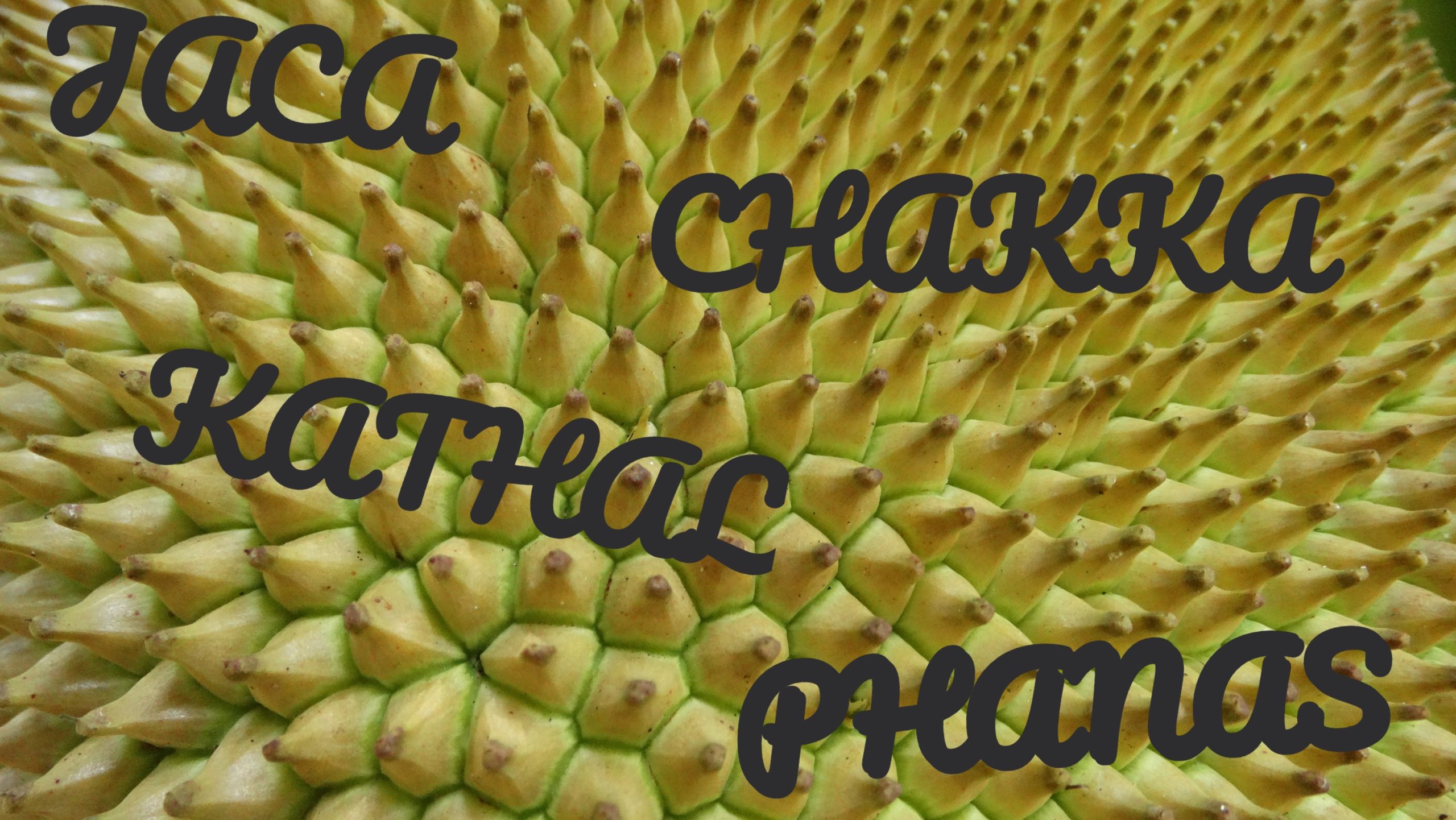
The name probably emerged from what the Portuguese called it – “jaca”, which in turn was probably a version of a name used in Southern India “chakka pazham”. However, it is referred to by different names in different regions, such as kathal in Bangladesh and Bengal, panasa/phanas (and variations) in many parts of India, kanun in Thailand, nangka in Malaysia, etc.
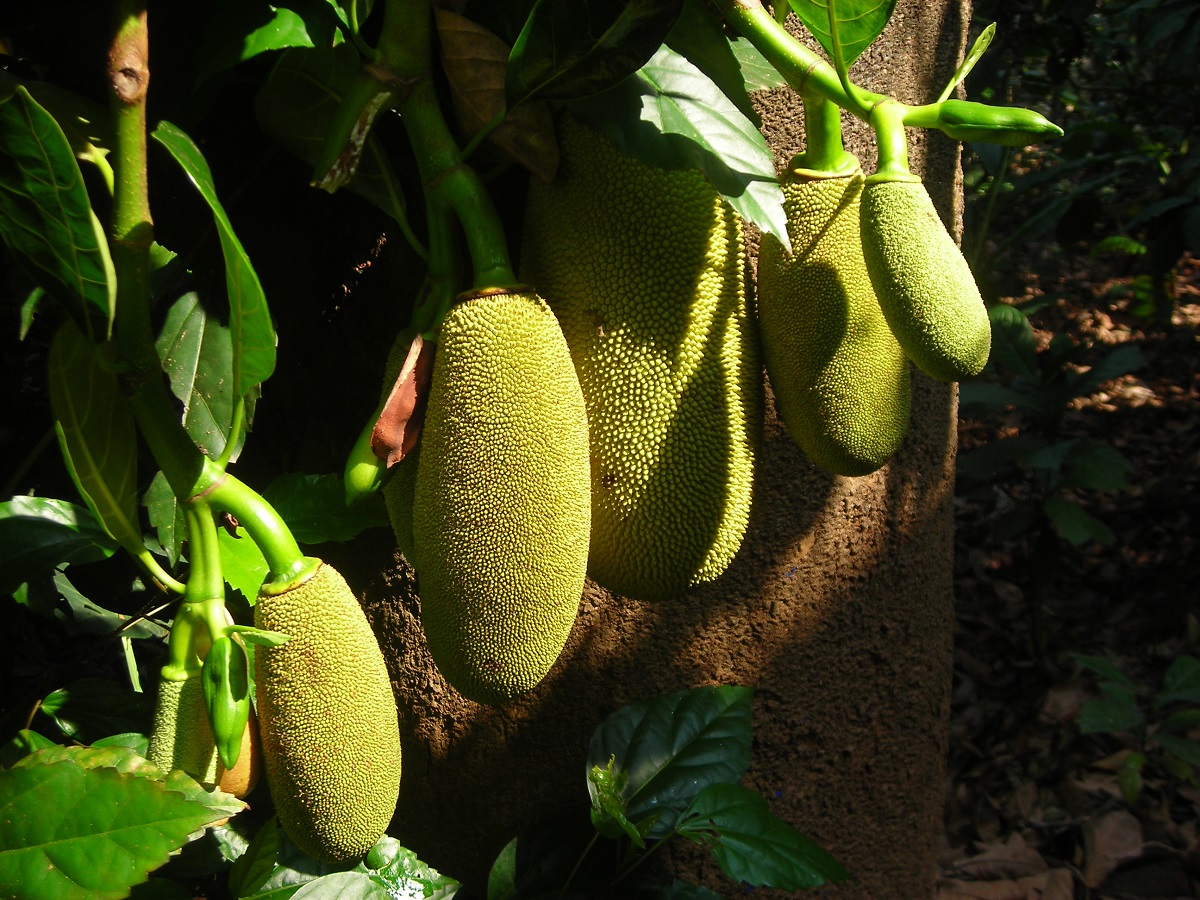
WHAT SIZE IS IT?
Although jackfruits are the largest tree fruit in the world, they have a large range – from small to enormous, usually weighing between 10 to 60 pounds (or 4.5 to 20 kg). The current record for the biggest and heaviest jackfruit in the world is held by a farmer in Kerala – more than110 pounds or 50 kg!
FOOD SECURITY
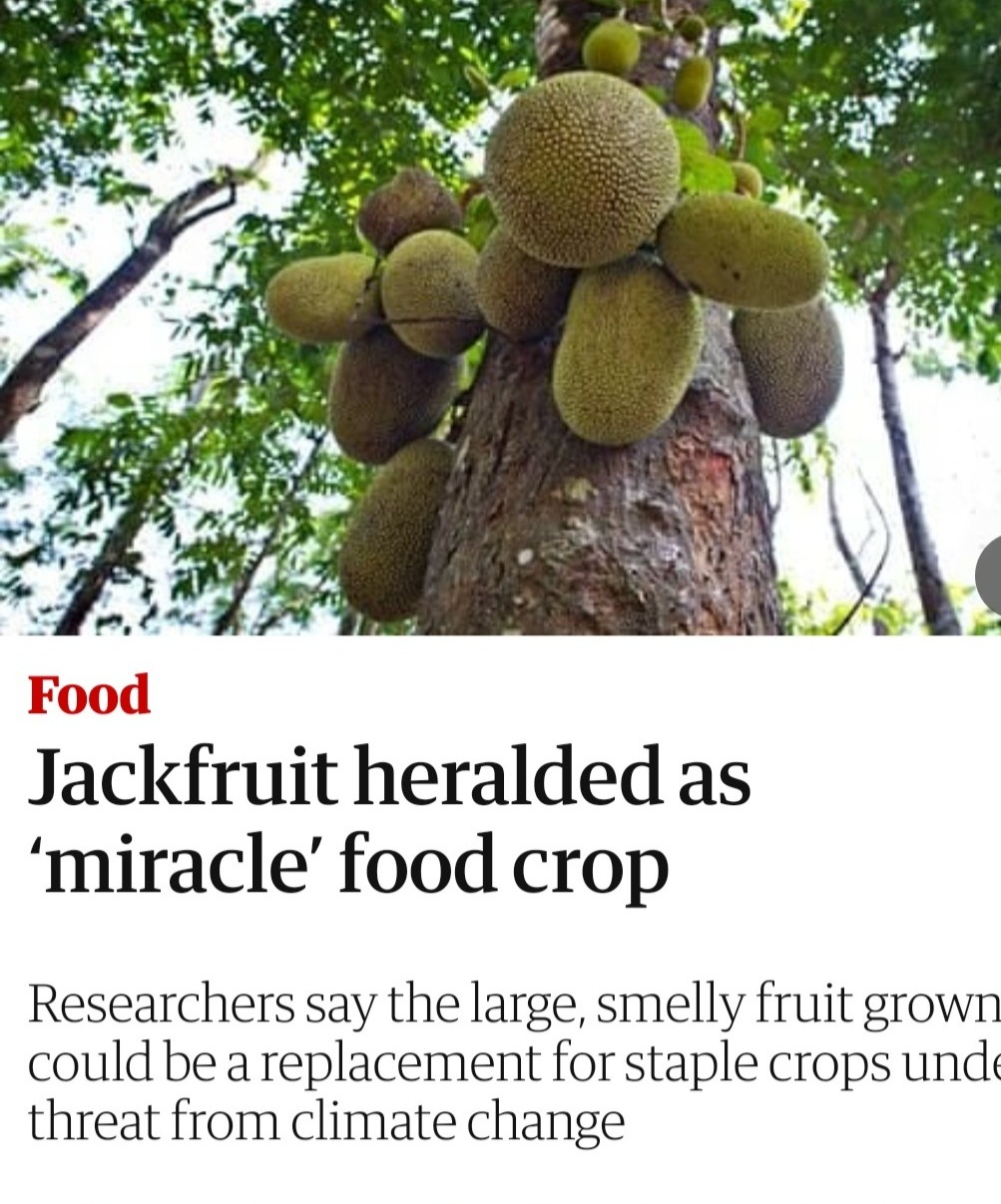
The Food and Agriculture Organization (FAO) has termed jackfruit a “miracle crop” since it is not only low-cost and nutritious, it can also withstand changing climatic conditions much better than many other trees. Unlike traditional food crops like rice, wheat and corn, it requires little irrigation or pesticides and is a perennial tree, so it does not require constant replanting.
NUTRITIONAL POWERHOUSE
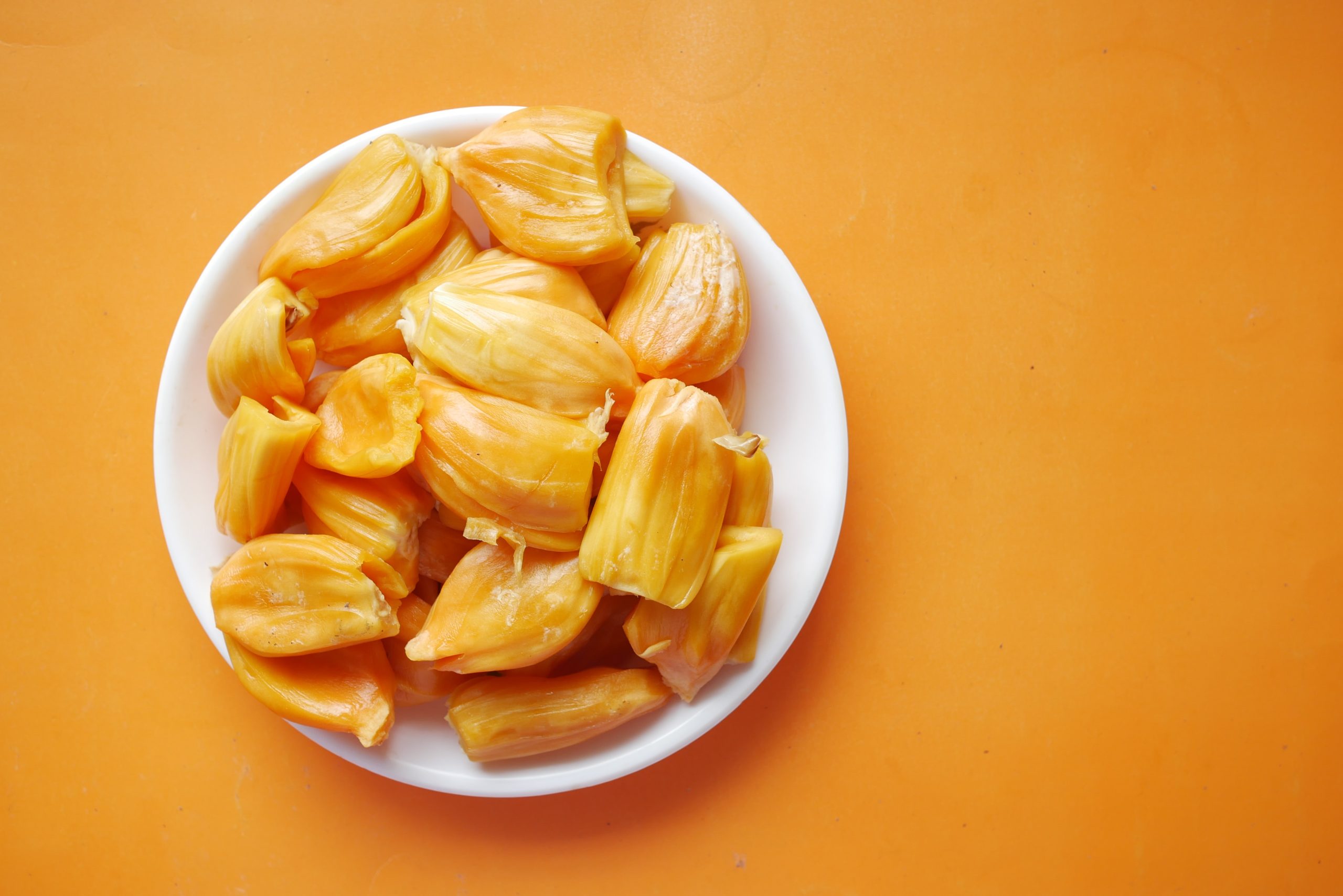
Jackfruit is an extremely versatile food, rich in antioxidants, a number of vitamins and minerals, and fibre. If these features weren’t enough to establish its superfood status, jackfruit consumption in raw pulp or flour form provides a natural way to maintain healthy blood sugar levels.
Rich in calories and carbohydrates, it can help to provide energy and address hunger. Since it is also rich in multiple vitamins and minerals, it can help to address micronutrient deficiency.
CLIMATE CHANGE WARRIOR
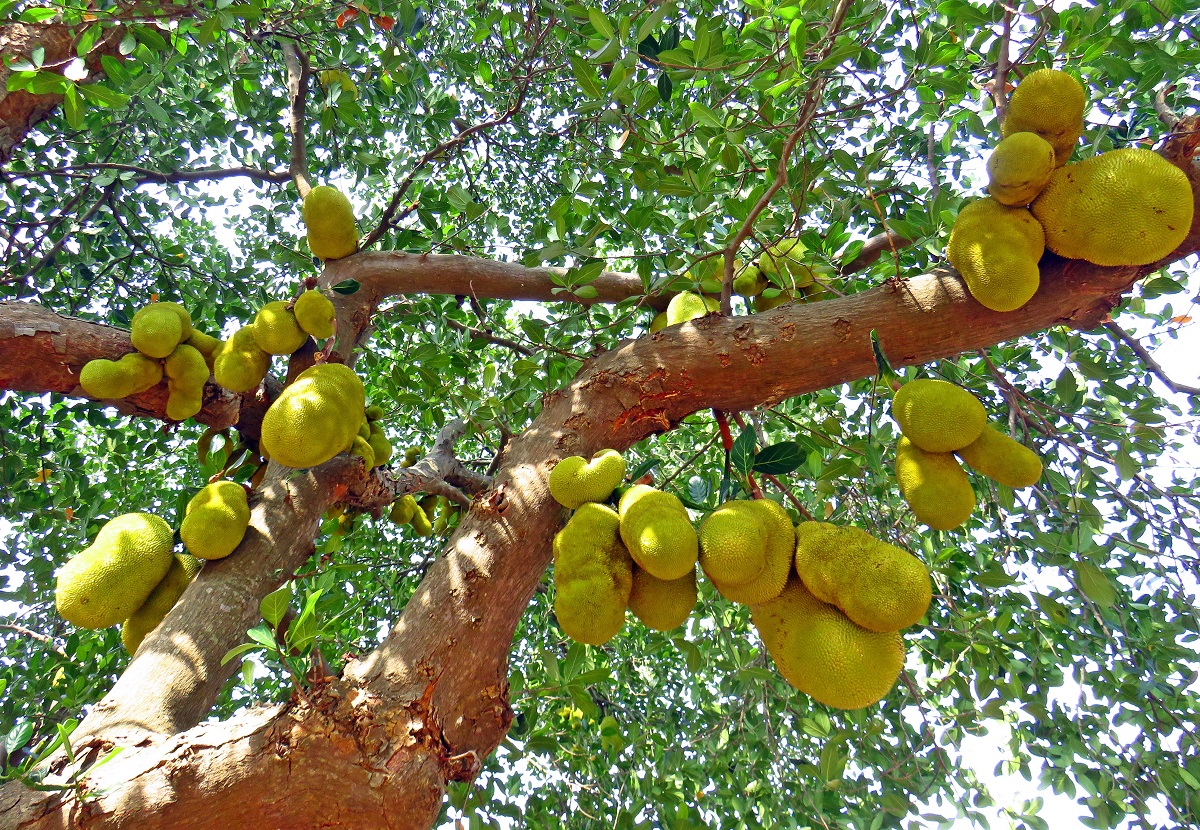
Fully-grown jackfruit trees have large canopies, which can cool surrounding areas. Jackfruit trees require little water to grow and can withstand uncertain rainfall patterns and falling water-tables. They support intercropping, require no fertilizers and even help to regenerate the soil. The different parts of India have distinct varieties of jackfruit with different ripening times and temperatures, enriching naturally-occurring biodiversity.
Jackfruit trees also promote carbon sequestration.

BUSINESS OPPORTUNITY
Given its meat-like texture, it is increasingly used as a meat-substitute in the rapidly- expanding plant based industry. Jackfruit seeds are used as cocoa- and coffee-substitutes. Jackfruit peel is used to make bio-manure. Its trunk and branches are used as timber for making furniture, doors, musical instruments, etc. Raw jackfruit flour or seed flour is also sold for diabetes control. Jackfruits are also treasured in traditional medicine for anti-inflammatory, anti-carcinogenic and other desirable properties.